Juvenile Arthritis in Special Children is not just an adult problem. Thousands of children around the world are diagnosed with Juvenile Arthritis every year, and many of them also have other special needs. Juvenile Arthritis is a term used to describe a group of chronic autoimmune and inflammatory conditions that affect children under the age of 16. It causes persistent joint pain, stiffness, and swelling that can seriously interfere with a child’s ability to move, learn, and grow.
For parents, understanding Juvenile Arthritis in Special Children is critical. When a child already lives with Autism, Cerebral Palsy, Down Syndrome, or another condition, Juvenile Arthritis adds another layer of physical and emotional challenge. The right knowledge, therapies, and assistive tools can dramatically improve a child’s quality of life.
This guide covers everything you need to know about Juvenile Arthritis in special children, from early symptoms and diagnosis to Therapies, daily management, and the most helpful assistive tools available today.
What Is Juvenile Arthritis in Special Children?
Juvenile Arthritis (also called Juvenile Idiopathic Arthritis or JIA) is a chronic inflammatory disease that causes the immune system to attack the body’s own joints and tissues. Instead of protecting the body, the immune system mistakenly triggers inflammation in the joints, leading to pain, stiffness, and swelling that lasts for six weeks or longer.
Juvenile Arthritis in special children is not a single disease. It is an umbrella term covering several different types, each with its own pattern of symptoms and severity. According to the Arthritis Foundation, approximately 300,000 children in the United States alone are affected by Juvenile Arthritis. Globally, the numbers are far higher, and in many regions, the condition goes undiagnosed for years.
What makes Juvenile Arthritis particularly complex in special children is that many of the symptoms, fatigue, irritability, and reduced mobility, can look similar to symptoms of other conditions, making early diagnosis harder.
Types of Juvenile Arthritis in Special Children
Understanding the type of Juvenile Arthritis in special children is essential for choosing the right treatment. The most common types include:
1. Oligoarticular JIA
This is the most common form of Juvenile Arthritis in children, affecting four or fewer joints, usually the knees, ankles, and wrists. It is more common in girls. Children with this type often have eye inflammation (uveitis) as well, which can lead to vision problems if not detected early.
2. Polyarticular JIA
Polyarticular Juvenile Arthritis in special children affects five or more joints simultaneously. It closely resembles adult rheumatoid arthritis and can be particularly challenging for children with special needs who already struggle with movement and coordination.
3. Systemic JIA
Systemic Juvenile Arthritis in special children affects the whole body, joints, organs, and immune system together. Children experience high fevers, a distinctive salmon-coloured rash, and severe joint pain. It is one of the most serious forms of Juvenile Arthritis and requires close medical supervision.
4. Psoriatic JIA
This type combines arthritis with the skin condition psoriasis. Children may have scaly skin patches along with joint pain and swelling in fingers and toes.
5. Enteritis-Related JIA
This form of Juvenile Arthritis in special children involves inflammation where tendons and ligaments attach to bones. It often affects the spine, hips, and feet and is more common in older boys.
Signs and Symptoms of Juvenile Arthritis to Watch For
Juvenile Arthritis can be difficult to spot, especially in young children or children with special needs who may not be able to communicate their pain clearly. Here are the most important warning signs:
- Persistent joint pain, especially in the mornings or after periods of rest
- Swelling in one or more joints, the joint may feel warm to the touch
- Morning stiffness that lasts more than 30 minutes
- Limping or favoring one side of the body
- Limited mobility difficulty bending the knee, opening the hand, or turning the neck
- Unexplained fevers that come and go
- Eye redness or pain (especially in oligoarticular JIA)
- Fatigue and low energy that are unusual for the child’s age
- Reluctance to use hands, walk, or participate in activities they previously enjoyed
- Swollen lymph nodes or a faint rash (in systemic JIA)
In children with autism, cerebral palsy, or intellectual disabilities, these symptoms can be especially easy to miss. A child who cannot describe joint pain may simply become more withdrawn, irritable, or resistant to physical activities. Parents and caregivers should watch for changes in behavior and movement, not just verbal complaints.
| Real-Life Example Sara, a 9-year-old with Down syndrome, began refusing to walk to school and would cry when getting dressed in the mornings. Her parents initially thought it was a behavioral issue. After a pediatric rheumatology assessment, Sara was diagnosed with Oligoarticular Juvenile Arthritis affecting both knees. With physiotherapy, anti-inflammatory medication, and adaptive footwear, Sara was back to her daily routine within four months. |
How Is Juvenile Arthritis in Special Children Diagnosed?
There is no single test that confirms Juvenile Arthritis in special children. Diagnosis requires a combination of clinical assessment, medical history, and tests. A pediatric rheumatologist is the specialist who diagnoses and manages Juvenile Arthritis.
The diagnostic process typically involves:
- A detailed physical examination of all joints for swelling, warmth, and limited range of motion
- Blood tests, including ANA (antinuclear antibody), rheumatoid factor, ESR, and CRP levels
- Imaging X-rays, MRI, or ultrasound to assess joint damage and inflammation
- Eye examinations to check for uveitis, especially in oligoarticular JIA
- Monitoring symptoms over a minimum of six weeks to confirm persistence
Early and accurate diagnosis is the single most important step. The earlier Juvenile Arthritis is identified, the more successful treatment can be in preventing joint damage and preserving mobility.
Therapies for Juvenile Arthritis in Special Children
Managing Juvenile Arthritis in special children requires a team of specialists. No single treatment works for everyone. The best outcomes come from a personalized, multi-disciplinary approach combining medication and therapies.
Physical Therapy
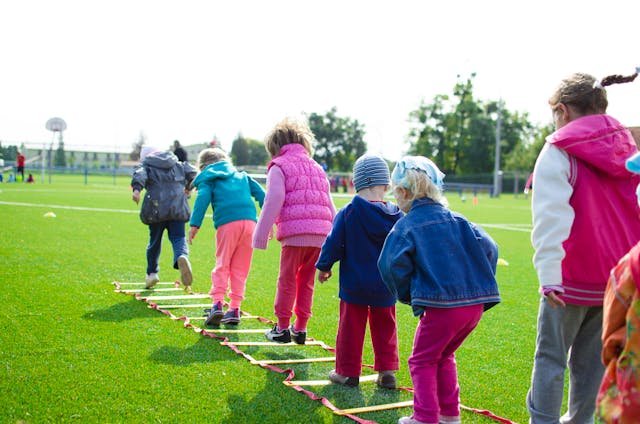
Physical therapy is one of the most important interventions for Juvenile Arthritis in children with special needs. A physiotherapist designs exercises that improve joint flexibility, build muscle strength around painful joints, and reduce stiffness. For special children with limited mobility, physical therapy helps maintain the highest possible level of independent movement. Regular sessions also reduce the long-term risk of joint damage and deformity.
Occupational Therapy
Occupational therapy helps special children with Juvenile Arthritis in special children perform daily tasks despite joint pain and limited mobility. Therapists teach children adaptive techniques for dressing, eating, writing, and personal hygiene. They also recommend and fit assistive tools, specially designed equipment that reduces joint strain during everyday activities. Occupational therapy is critical for maintaining independence and school participation.
Hydrotherapy (Aquatic Therapy)
Warm water therapy is particularly effective for children with Juvenile Arthritis. The buoyancy of water reduces stress on inflamed joints while the warmth soothes stiffness. Hydrotherapy improves range of motion, builds strength, and is enjoyable for children with special needs, making it one of the most engaging therapies available.
Medication Management
Medications commonly used for Juvenile Arthritis include non-steroidal anti-inflammatory drugs (NSAIDs) to reduce pain and swelling, disease-modifying antirheumatic drugs (DMARDs) like methotrexate, and biologic therapies for severe cases. All medication decisions must be made by a pediatric rheumatologist in consultation with the child’s wider medical team. Managing Juvenile Arthritis in special children requires a team of specialists. No single treatment works for everyone. The best outcomes come from a personalized, multi-disciplinary approach combining medication and therapies. You can also share your story with us.
Pain Management And Psychological Support
Chronic joint pain and stiffness affect a child’s emotional well-being. Children with special needs who also have Juvenile Arthritis in special children are at higher risk of anxiety and depression. Psychological support, cognitive behavioral therapy (CBT), and family counseling are important parts of a complete Juvenile Arthritis care plan.
Best Assistive Tools for Children with Juvenile Arthritis
The right assistive tools can make life significantly easier for a child with Juvenile Arthritis. These tools reduce the strain on painful joints and help children maintain their independence at home, at school, and in daily life.
For a comprehensive review of the top assistive tools recommended for children with special needs, including those living with Juvenile Arthritis, visit the Assistive Tools section on Special Child Life, where every tool is assessed for its real-world impact on children with complex needs.
- Jar openers and easy-grip utensils reduce strain on swollen finger and wrist joints. Button hooks and zipper pulls make dressing independently possible despite limited hand mobility. Ergonomic pencil grips and adapted pens reduce joint pain during writing at school. Raised toilet seats and grab rails support safe mobility during painful flare-ups
- Lightweight backpacks with wheels protect the shoulders and spine from unnecessary strain
- Shoe horns and elastic laces allow children to dress independently without bending painful joints. Orthotic insoles and supportive footwear reduce joint stress during walking
- Tablet stands and voice-activated technology allow children to participate in learning without hand strain.
Combining the right assistive tools with consistent physical and occupational therapy gives children with Juvenile Arthritis the best chance of living a full and active life.
Managing Juvenile Arthritis at Home and School
At Home: Daily Strategies for Parents
- Establish a gentle morning routine, warmth helps ease morning stiffness (warm bath or shower before dressing)
- Apply warm compresses to stiff joints before activity and cold packs after to reduce swelling
- Encourage low-impact exercise such as swimming, cycling, and gentle stretching daily
- Adapt the home environment with grab rails, non-slip mats, and easy-grip handles
- Keep a symptom diary to track flare-ups, triggers, and changes in joint pain or mobility
- Ensure adequate rest; fatigue is a real and serious symptom of Juvenile Arthritis
At School: Supporting a Child with Juvenile Arthritis
- Inform teachers and support staff about the child’s Juvenile Arthritis and what flare-ups look like
- Request adjustments such as extra time on written tasks and exemption from prolonged standing
- Ensure the child can access a lift or ramp if joint pain affects stair climbing
- Provide a spare set of books to avoid carrying heavy bags on painful days
- Coordinate with the school’s special education team and the child’s occupational therapist
Juvenile Arthritis vs. Growing Pains: Key Differences
| Feature | Growing Pains | Juvenile Arthritis |
| Timing of pain | Usually at night | Morning stiffness is key |
| Joint swelling | No swelling | Visible swelling and warmth |
| Duration | Short episodes | 6+ weeks of persistent symptoms |
| Affects daily activity? | Rarely | Yes significantly |
| Needs specialist care? | No | Yes pediatric rheumatologist |
| Improves with movement? | Not always | Often yes, after warm-up |
Conclusion: Your Child Deserves a Life beyond Juvenile Arthritis
Juvenile Arthritis in special children is a serious condition, but it does not have to define your child’s life. With early diagnosis, the right therapies, and the best assistive tools, children with Juvenile Arthritis can go to school, play, grow, and thrive. This is true even for special children who are managing other conditions alongside Juvenile Arthritis.
The key is acting early. If your child shows signs of persistent joint pain, stiffness, swelling, or limited mobility, do not wait. Speak to your pediatrician and ask for a referral to a pediatric rheumatologist. The sooner Juvenile Arthritis in special children is treated, the less damage it causes to growing joints.
Physical therapy, occupational therapy, hydrotherapy, medication, and the right assistive tools all work together to give your child the best possible outcome. You do not have to navigate Juvenile Arthritis in special children alone; a good multidisciplinary team makes all the difference.
Frequently Asked Questions (FAQ) About Juvenile Arthritis
Q1: What causes Juvenile Arthritis in Special children?
Juvenile Arthritis in special children is an autoimmune condition the immune system mistakenly attacks healthy joint tissue, causing inflammation. The exact cause is unknown, but a combination of genetic factors and environmental triggers is believed to play a role. It is not caused by injury, diet, or anything a parent did or did not do.
Q2: Can Juvenile Arthritis in Special Children go away on its own?
Some children with Juvenile Arthritis do go into remission, meaning symptoms disappear for a period. However, remission is not guaranteed. Without proper treatment, Juvenile Arthritis can cause permanent joint damage. All children diagnosed with Juvenile Arthritis need ongoing medical monitoring, even during symptom-free periods.
Q3: Is Juvenile Arthritis more common in children with special needs?
Children with certain special needs conditions, particularly those involving immune system differences, may have a higher risk of developing autoimmune conditions like Juvenile Arthritis. However, Juvenile Arthritis can affect any child. The key challenge in special needs populations is that symptoms are often harder to identify and communicate.
Q4: What is the best therapy for Juvenile Arthritis in children with special needs?
There is no single best therapy; a combination works best. Physical therapy, occupational therapy, and hydrotherapy are the most effective non-medical interventions for Juvenile Arthritis. When combined with appropriate medication and assistive tools, these therapies give special children the best outcomes for mobility and quality of life.
Q5: How do I explain Juvenile Arthritis to my child’s school?
Provide the school with a written summary from your child’s doctor or therapist explaining Juvenile Arthritis in Special Children, its symptoms, and the adjustments needed. Include information about flare-ups, physical limitations, and any assistive tools the child uses. Request a meeting with the special education coordinator to put a formal support plan in place.
Q6: Can children with Juvenile Arthritis exercise?
Yes, exercise is actually recommended for children with Juvenile Arthritis. Low-impact activities like swimming, cycling, and gentle stretching help maintain joint flexibility, build muscle, and reduce stiffness. A physiotherapist can design a safe, personalized exercise plan for your child based on their specific type of Juvenile Arthritis and current symptoms.