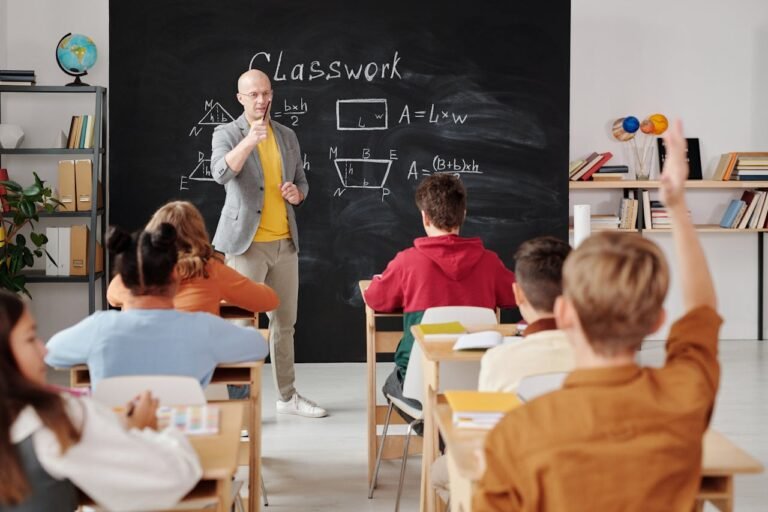
Inclusive Education for Special Children is one of the most important shifts in modern schooling. Around the world, millions of children with disabilities, learning differences, or developmental challenges are still left out of mainstream classrooms. They sit in separate rooms, attend different schools, or simply stay home. This is a problem we can and must solve.
Every child has the right to learn. Inclusive Education means creating classrooms where every student, regardless of ability, learns side by side. It is not just a teaching method. It is a philosophy, a commitment, and a proven path to better outcomes for all students.
This guide explains what inclusive education really means, why it matters for special children, how teachers and parents can make it work, and what research says about its long-term impact.
What Is Inclusive Education for Special Children?
Inclusive education is a system where children with special needs, including those with physical disabilities, autism spectrum disorder (ASD), Down syndrome, ADHD, hearing or visual impairments, or intellectual disabilities, attend general education classrooms alongside their peers without disabilities.
Inclusive Education does not mean placing a child in a regular classroom without support. It means adapting the environment, curriculum, teaching methods, and support systems so every student can participate, learn, and grow.
“Inclusion is not bringing people into what already exists; it is making a new space, a better space for everyone.” George Dei, Education Scholar
The United Nations Convention on the Rights of Persons with Disabilities (CRPD) and the Salamanca Statement both call for inclusive education as a fundamental right, not a privilege.
Inclusive Education vs. Special Education: Key Difference
Many people confuse inclusive education with special education. Here is a simple breakdown:
| Feature | Special Education | Inclusive Education |
| Setting | Separate classroom/school | General classroom with support |
| Focus | Disability-centered | Child-centered learning |
| Peers | Other children with special needs | All children together |
| Curriculum | Modified separately | Adapted within shared curriculum |
| Goal | Manage the disability | Adapted within the shared curriculum |
Why Inclusive Education for Special Children Matters
Inclusive Education matters for reasons far beyond fairness. It produces measurable, lasting benefits for special children, for their classmates, and for society as a whole.
1. Better Academic Outcomes
Research from the National Down Syndrome Society shows that children with disabilities in inclusive settings score higher on reading and math assessments than those in segregated classrooms. Inclusive Education raises the academic bar for everyone.
2. Stronger Social Skills
When children with special needs learn alongside peers, they develop communication, cooperation, and friendship skills. Inclusive Education for Special Children gives them real-world social practice that separate schooling simply cannot provide.
3. Reduced Stigma and Bullying
Classrooms that practice Inclusive Education for Special Children teach all students empathy and respect from an early age. Studies from UNESCO show these schools report 30% fewer bullying incidents than traditional schools.
4. Better Long-Term Independence
Children educated in inclusive settings are more likely to hold jobs, live independently, and participate in their communities as adults. Inclusive Education builds life skills that last a lifetime.
Types of Special Children Who Benefit from Inclusive Education
Inclusive Education for Special Children is designed to serve a wide range of learners. These include:
- Children with Autism Spectrum Disorder (ASD)
- Children with Down Syndrome
- Children with ADHD (Attention Deficit Hyperactivity Disorder)
- Children with Hearing or Visual Impairments
- Children with Physical Disabilities and Mobility Challenges
- Children with intellectual or developmental disabilities
- Children with speech and language delays
- Children with learning disabilities like dyslexia or dyscalculia
No matter the diagnosis, Inclusive Education starts from a single belief: every child can learn when given the right support.
Core Strategies for Inclusive Education for Special Children
Inclusive Education does not happen by accident. It requires a combination of general and special education strategies working together in the same space.
1. Universal Design for Learning (UDL)
UDL is a teaching framework that gives students multiple ways to access information, demonstrate knowledge, and stay engaged. Inclusive Education built on UDL principles removes barriers before they appear.
- Offer content in visual, auditory, and hands-on formats
- Provide flexible ways to demonstrate learning (oral, written, or project-based)
- Use technology tools like text-to-speech, captioning, and graphic organizers
2. Individualized Education Plans (IEPs)
Every special child deserves a personalized roadmap. An IEP sets specific, measurable academic and developmental goals for each student. Inclusive Education for Special Children depends on IEPs being honored inside the general classroom, not just on paper.
3. Co-Teaching Models
Inclusive Education works best when a general education teacher and a special education teacher share the same classroom. This “co-teaching” model allows one educator to lead instruction while the other provides targeted support.
4. Differentiated Instruction
Not every student learns at the same pace or in the same way. Differentiated instruction means adjusting the complexity, format, or pace of lessons to meet each learner where they are. Inclusive Education thrives on this flexibility.
5. Assistive Technology
From communication boards to screen readers and adaptive keyboards, assistive technology is a game-changer. Inclusive Education is powered by tools that level the playing field in real time.
6. Peer Support and Buddy Programs
Pairing special children with trained peer buddies creates natural support systems. Inclusive Education improves dramatically when classmates are taught to be partners, not observers.

The Role of Parents in Inclusive Education for Special Children
Inclusive Education for Special Children cannot succeed without active, informed parents. Here is how families can make a difference:
- Attend IEP meetings and ask questions about classroom supports
- Communicate regularly with both general and special education teachers
- Reinforce inclusive behaviors and language at home
- Join parent networks and advocacy groups for children with special needs
- Celebrate small wins; every step forward matters in inclusive education
Inclusive Education is a partnership between home and school. When parents and teachers work together, outcomes improve dramatically for every child in the room.
How Teachers Can Champion Inclusive Education for Special Children
Teachers are the heart of Inclusive Education. Their mindset, preparation, and daily choices shape whether inclusion truly works or simply looks good on paper.
Step-by-Step: Building an Inclusive Classroom
- Step 1: Learn each student’s IEP goals and accommodations before school starts.
- Step 2: Design lessons using UDL principles from the start.
- Step 3: Arrange the physical space to accommodate wheelchairs, sensory tools, and quiet zones.
- Step 4: Collaborate with co-teachers, aides, and therapists weekly.
- Step 5: Celebrate effort and progress, not just grades.
- Step 6: Reflect monthly on what is and is not working.
Inclusive Education is not a destination; it is a daily practice.
Mini Case Study: Inclusive Education in Action
A primary school in Portugal introduced a full inclusion model in 2018, placing children with ASD, Down syndrome, and mobility impairments into general classrooms with trained support aides. After three years, 78% of the special children showed measurable academic progress, and behavior referrals across the entire school dropped by 42%. Teachers reported higher job satisfaction, and parents of non-disabled students overwhelmingly supported the program. Inclusive Education for Special Children changed the whole school, not just the students with disabilities.
Common Challenges in Inclusive Education for Special Children
Inclusive Education is not without obstacles. Acknowledging them is the first step to solving them.
Lack of Training: Many teachers receive little preparation for inclusive education during their degree programs. Ongoing professional development is essential.
Large Class Sizes: High student-to-teacher ratios make individualized attention difficult. Schools need additional resources and personnel.
Negative Attitudes: Some educators, parents, or students hold resistant views about Inclusive Education. Cultural change takes time and leadership.
Inadequate Resources: Assistive technology, sensory materials, and adapted curricula cost money. Schools in low-income communities often lack these tools.
Communication Gaps: When general and special education teachers do not collaborate effectively, the quality of Inclusive Education for Special Children suffers.
Inclusive Education for Special Children around the World
Inclusive Education for Special Children is a global movement, but progress is uneven. Here is a snapshot:
- Finland: Over 90% of special needs students are educated in mainstream schools with individualized support.
- Canada: The province of New Brunswick has been a global leader in full inclusion since the 1980s.
- India: The Right to Education Act (2009) mandates Inclusive Education in all government schools.
- USA: The Individuals with Disabilities Education Act (IDEA) requires a “least restrictive environment,” typically inclusive classrooms.
- Pakistan & South Asia: Inclusion is growing but faces resource and infrastructure challenges.
Inclusive Education is not limited to wealthy nations. With commitment and creativity, every school system in the world can move toward inclusion.
Why Inclusive Education for Special Children Must Be a Priority
Inclusive Education builds a more just, empathetic, and capable society. When we invest in Inclusive Education today, we build a workforce, a community, and a world that works better for everyone. Inclusive Education is not charity, it is equity in action. Inclusive Education transforms classrooms, families, and futures. Inclusive Education is backed by science, supported by law, and demanded by justice. Inclusive Education shows every child that they belong. Inclusive Education gives families hope. Inclusive Education is the right thing and the smart thing to do. You can also share your story with us.
Conclusion: Inclusive Education Is the Future
Inclusive Education for Special Children is not a trend; it is a transformation. When schools open their doors fully to every learner, everyone benefits: special children, their classmates, teachers, and the broader community.
The strategies exist. The research is detailed. What is needed now is the will to act from policymakers, school administrators, educators, and parents alike.
If you are a parent of a child with special needs, advocate loudly for inclusion. If you are a teacher, take the next professional development course on inclusive practices. If you are a school leader, review your inclusion policies today.
Inclusive Education for Special Children is not someone else’s responsibility. It is all of ours.
Frequently Asked Questions (FAQ)
What is Inclusive Education for Special Children?
Inclusive Education is an approach where students with disabilities or special needs are educated in general classrooms alongside their non-disabled peers, with appropriate support and accommodations.
How does inclusive education benefit special children?
Special children in inclusive settings show better academic performance, stronger social skills, greater self-confidence, and improved long-term independence compared to those in segregated settings.
What are the main strategies used in inclusive education?
Key strategies include Universal Design for Learning (UDL), Individualized Education Plans (IEPs), co-teaching, differentiated instruction, assistive technology, and peer support programs.
Is inclusive education the same as special education?
No. Special education typically refers to separate, disability-focused instruction. Inclusive education means educating all children together in a shared classroom with appropriate supports for each learner.
What challenges does inclusive education face?
Common challenges include insufficient teacher training, large class sizes, negative attitudes, limited funding for resources, and poor collaboration between general and special education teachers.
Can inclusive education work in developing countries?
Yes. While resources vary, the core principles of inclusive education, respect, flexibility, community, and support, can be applied in any school system. Many low-resource countries have made remarkable progress.
What role do parents play in Inclusive Education for Special Children?
Parents are essential partners. They attend IEP meetings, communicate with teachers, reinforce inclusive values at home, and advocate for their child’s needs within the school system.
What does research say about inclusive education outcomes?
Multiple studies from UNESCO, UNICEF, and leading universities confirm that inclusive education leads to better outcomes for both special and non-disabled students in academic achievement, social development, and long-term quality of life.