Thalassemia in Special Children is one of the most serious inherited blood disorders affecting children around the world. For families raising special children, those with complex health needs or developmental differences, a thalassemia diagnosis adds another layer of challenge. Yet with the right knowledge and medical support, children with thalassemia can live meaningful, fulfilling lives.
This guide breaks down everything parents and caregivers need to know: what thalassemia is, how it affects the body, why infected blood needs to be replaced regularly, and how to navigate care for a child already facing special health challenges.
What Is Thalassemia in Special Children?
Thalassemia in Special Children is a genetic blood disorder. It means the body does not make enough healthy hemoglobin, the protein inside red blood cells that carries oxygen throughout the body. When hemoglobin is absent or abnormal, red blood cells break down faster than normal. This leads to anemia, a condition where the body does not have enough healthy red blood cells.
Thalassemia is inherited. That means a child is born with it cannot be caught like a cold or infection. Both parents must carry the defective gene for a child to develop the more serious forms of the disease.
Types of Thalassemia in Special Children
There are two main types: Alpha Thalassemia and Beta Thalassemia. Beta thalassemia major (also called Cooley’s Anemia) is the most severe form and requires lifelong medical treatment. Beta thalassemia minor is a milder form; carriers often have no symptoms but can pass it to their children.
Why Thalassemia Is Especially Challenging for Special Children
Thalassemia in Special Children, including those with intellectual disabilities, autism spectrum disorder, Down syndrome, or other developmental conditions, often have complex medical and emotional needs. When thalassemia is also present, it creates a dual burden for both the child and the family.
Here is why managing thalassemia in special children requires extra attention:
- Communication barriers make it hard for children to describe pain or fatigue, so caregivers must watch for non-verbal signs of distress.
- Behavioral challenges may make blood transfusions or hospital visits more stressful and difficult to manage.
- Cognitive limitations may prevent children from understanding why they need frequent medical care, causing anxiety and resistance.
- Nutritional needs are often already complicated, and anemia adds another dimension to dietary planning.
- Emotional well-being suffers when children face both the social isolation of being “different” and chronic illness fatigue.
Why Infected Blood Needs to Be Replaced: Understanding Blood Transfusions
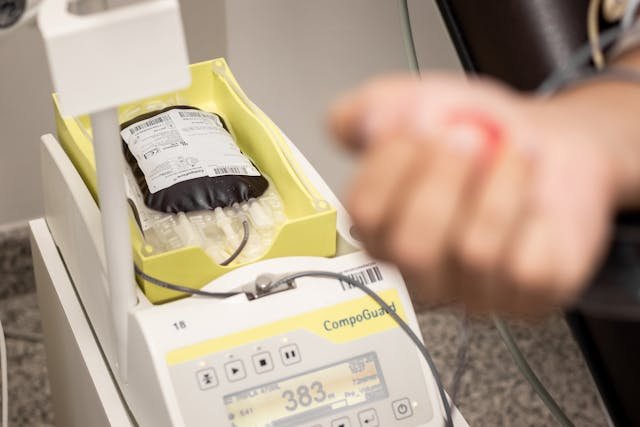
In thalassemia major, the body’s red blood cells are abnormal and cannot carry oxygen properly. Over time, these damaged or “infected” red blood cells accumulate and break down, releasing iron that can damage organs such as the heart and liver. This is why infected blood needs to be replaced through regular blood transfusions.
A blood transfusion gives the child healthy red blood cells from a donor. These new cells can carry oxygen normally and keep the child’s body functioning. Without regular transfusions, children with thalassemia major will suffer severe anemia, organ damage, and in worst cases, death.
How Often Does a Child Need a Blood Transfusion?
Most children with thalassemia major need a blood transfusion every 2 to 4 weeks. The schedule depends on the child’s hemoglobin levels, their weight, and how quickly their body breaks down red blood cells. A hematologist (blood specialist) will monitor the child and set a personalized transfusion plan.
The Problem of Iron Overload
Each blood transfusion brings additional iron into the body. Since the human body has no natural way to remove excess iron, it builds up over time in vital organs. This iron overload is one of the biggest complications of thalassemia. To prevent organ damage, children are given chelation therapy, which helps the body flush excess iron through urine or stool.
Recognizing Thalassemia Symptoms in Special Children
Because special children may not be able to express how they feel, parents and caregivers need to know the physical signs of thalassemia. Early recognition leads to faster treatment and better outcomes.
Common signs to watch for include:
- Pale or yellowish skin (jaundice)
- Extreme tiredness and weak child may seem unusually lethargic
- Slow growth or poor weight gain
- Enlarged abdomen (swollen spleen or liver)
- Dark urine
- Frequent infections
- Bone deformities, especially in the face (in untreated cases)
How Is Thalassemia Diagnosed?
Thalassemia in Special Children is diagnosed through blood tests. A complete blood count (CBC) will show low hemoglobin and abnormal red blood cells. Hemoglobin electrophoresis is a specialized test that identifies the exact type and severity of the disorder. For special children, genetic counseling is also recommended to understand inheritance risks for future pregnancies.
In many countries, newborn screening programs now test babies for thalassemia at birth. Early diagnosis allows families to begin treatment sooner and prevent the most serious complications.
Treatment Options for Children with Thalassemia
Treatment depends on the severity of the disease. For mild thalassemia (thalassemia minor), little or no treatment may be needed. For moderate to severe forms, the following approaches are used:
1. Regular Blood Transfusions
As explained earlier, replacing infected or abnormal blood with healthy donor blood is the cornerstone of thalassemia major treatment. It keeps hemoglobin levels within a safe range and allows children to grow and function normally.
2. Iron Chelation Therapy
Chelating agents like deferoxamine, deferoxac, or deferoxamine are used to remove excess iron. These may be given through injections, oral tablets, or skin patches, depending on the child’s age and condition.
3. Bone Marrow Transplant (BMT)
A bone marrow transplant is currently the only potential cure for thalassemia. It replaces the child’s faulty bone marrow with healthy donor marrow that can produce normal red blood cells. However, BMT requires a matching donor and carries significant risks, so it is not suitable for every child.
4. Gene Therapy (Emerging Option)
Gene therapy for Thalassemia in Special Children is an exciting area of medical research. Early clinical trials have shown promising results where the faulty gene is corrected, potentially eliminating the need for lifelong transfusions. While not yet widely available, it represents hope for the next generation of children with thalassemia.
Practical Tips for Families of Special Children with Thalassemia
Caring for a special child who also has thalassemia is demanding emotionally, physically, and financially. Here are practical ways families can make the journey easier:
- Build a reliable care team: Work with a hematologist, pediatrician, nutritionist, and, if needed, a child psychologist or special education therapist who understands your child’s unique needs.
- Keep a health journal: Track transfusion dates, hemoglobin levels, chelation therapy schedules, and any behavioral changes. This helps doctors spot patterns and adjust treatment.
- Prepare your child for hospital visits: Use visual schedules, social stories, or familiar comfort objects to reduce anxiety around medical procedures.
- Connect with support groups: Organizations focused on thalassemia can connect you with other families, provide emotional support, and share practical resources.
- Watch for diet and nutrition: Children with thalassemia may need to limit iron-rich foods. A nutritionist can help design a safe, balanced diet.
- Advocate at school: Work with your child’s school to ensure teachers understand the impact of thalassemia, including fatigue, missed days, and physical limitations.
The Emotional Impact of Thalassemia on Special Children and Their Families
Living with a chronic disease like Thalassemia in Special Children affects more than the body. Children who require frequent hospital visits, blood tests, and transfusions often experience fear, frustration, and social isolation. For special children, who may already face challenges fitting in or communicating, this emotional weight can be even heavier.
Parents, too, carry enormous stress. Balancing caregiving demands, financial pressures (blood transfusions are expensive), and the emotional toll of watching a child suffer requires resilience and support. Mental health resources for both parents and children should be considered part of comprehensive thalassemia care.
Conclusion: Managing Thalassemia with Knowledge and Compassion
Thalassemia in Special Children is a serious but manageable chronic disease. For special children, the challenges are greater, but so is the love and dedication of the families who care for them. Understanding what thalassemia is, why infected blood needs to be replaced regularly, and how treatment works empowers parents to make informed decisions and advocate powerfully for their children.
If your child has been diagnosed with thalassemia or you suspect they might have it, reach out to a specialist right away. Early diagnosis, consistent treatment, and emotional support can make all the difference in the quality of life for your child. You are not alone in this journey.
Frequently Asked Questions (FAQs) About Thalassemia in Special Children
What is the life expectancy of a child with thalassemia major?
With proper treatment, including regular blood transfusions and iron chelation therapy, many children with thalassemia major now live well into adulthood. Advances in medical care have greatly improved outcomes over the past few decades.
Can Thalassemia in Special Children be cured?
Currently, a bone marrow transplant is the only established cure for thalassemia. Gene therapy is showing very promising early results and may become a widespread treatment option in the future. For most children today, treatment focuses on managing the disease long-term.
How does thalassemia affect a special child differently?
Thalassemia in special children faces added challenges due to communication difficulties, behavioral sensitivities to medical procedures, and the complexity of managing two overlapping health conditions. Families need a coordinated care team experienced in both areas.
Why does infected blood need to be replaced in thalassemia?
Thalassemia in Special Children, the body produces abnormal red blood cells that cannot carry oxygen effectively. These faulty cells break down quickly, causing severe anemia and organ damage. Regular blood transfusions replace these abnormal cells with healthy ones, restoring the body’s ability to function properly.
Is thalassemia painful for children?
Thalassemia in Special Children itself can cause bone pain, fatigue, and abdominal discomfort due to an enlarged spleen. The treatment process, including frequent blood draws and transfusions, can be distressing, especially for special children. Pain management and emotional support strategies should be part of every child’s care plan.